Article Summary
Rising temperatures driven by the El Nino are threatening Malaysia’s livestock production, with experts warning of potential knock-on effects on national food security if preventive measures are not urgently adopted.
By Aimi Mohamad Farid
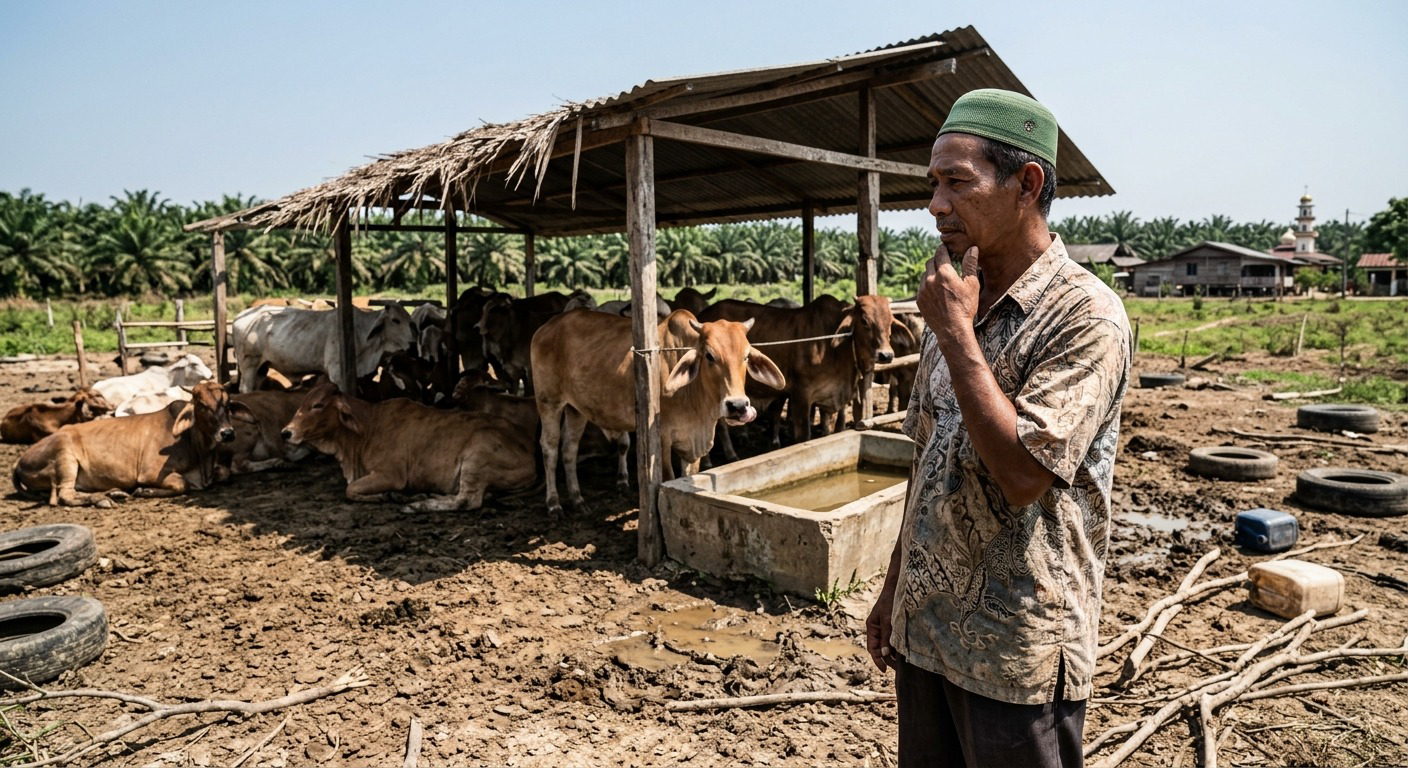
SERDANG, 30 April – Rising temperatures driven by the El Niño phenomenon are posing a significant threat to Malaysia’s livestock production, with experts warning of potential knock-on effects on national food security if preventive measures are not urgently adopted.
Dr. Aimi Nabilah Hussein, a senior lecturer at Universiti Putra Malaysia (UPM), noted that the prolonged dry spells expected between May and July could severely impact farm animals, particularly breeds that are less adapted to tropical climates.
“Animals are generally more vulnerable to heat compared to humans; thus, when temperatures rise to extreme levels, livestock would suffer from heat stress, which directly compromises both their health and productivity,” she explained.
Unlike humans, many livestock species, such as cattle, are unable to regulate their body temperature efficiently through sweating, making them highly susceptible to extreme heat.
This often leads to reduced feed intake, increased water consumption and an overall decline in production.
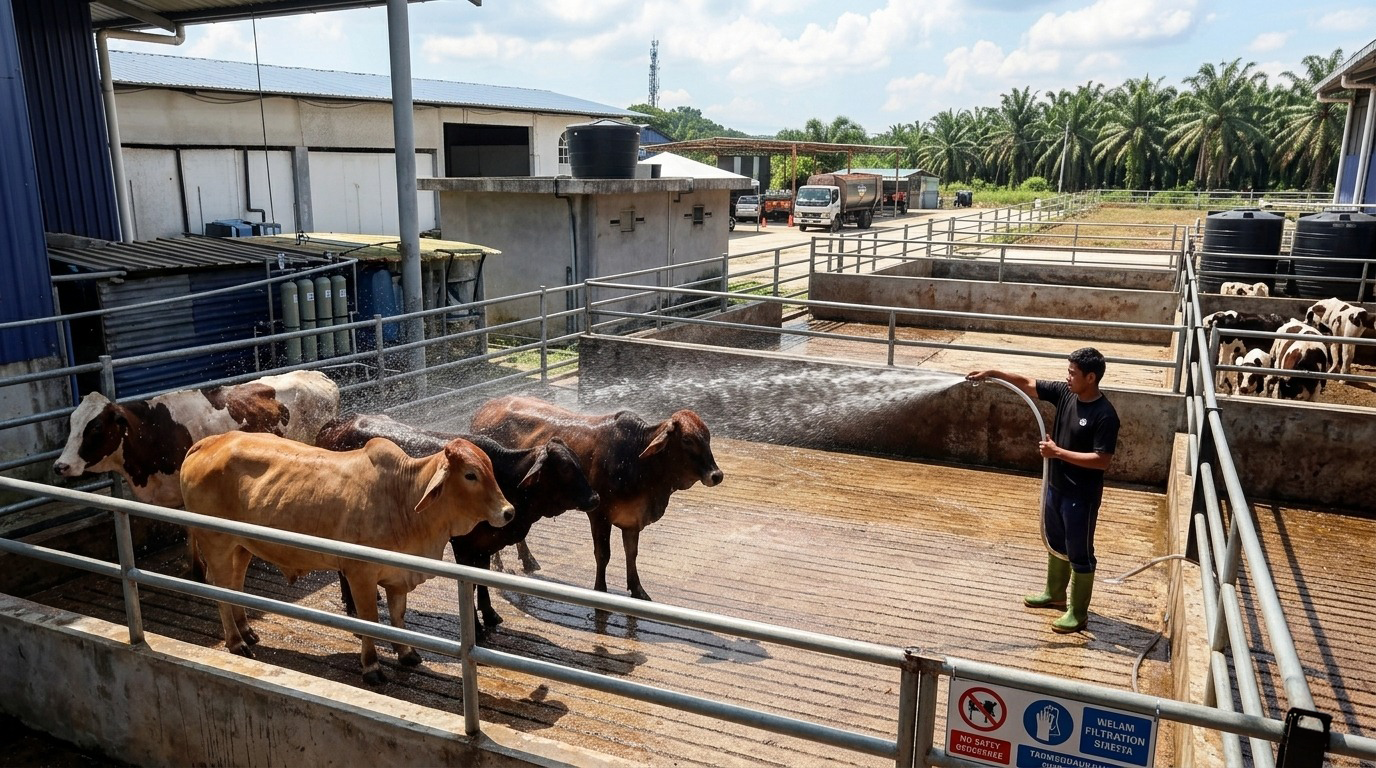
Dr. Aimi identified dairy cattle as a particularly vulnerable group, explaining that their optimal temperature is around 15°C, which is significantly lower than Malaysia’s daily average. “Under ideal conditions, a dairy cow can produce up to 40 litres of milk per day,” she explained. “However, under severe heat stress, production can drop to as low as 15 to 20 litres.”
The decline in productivity, she warned, could disrupt supply chains and exert upward pressure on national food prices if left unaddressed.
To mitigate these risks, she emphasised that early intervention and understanding animal behaviour are crucial, particularly for new farmers entering the livestock industry who may not be familiar with the shifts caused by climate stress.
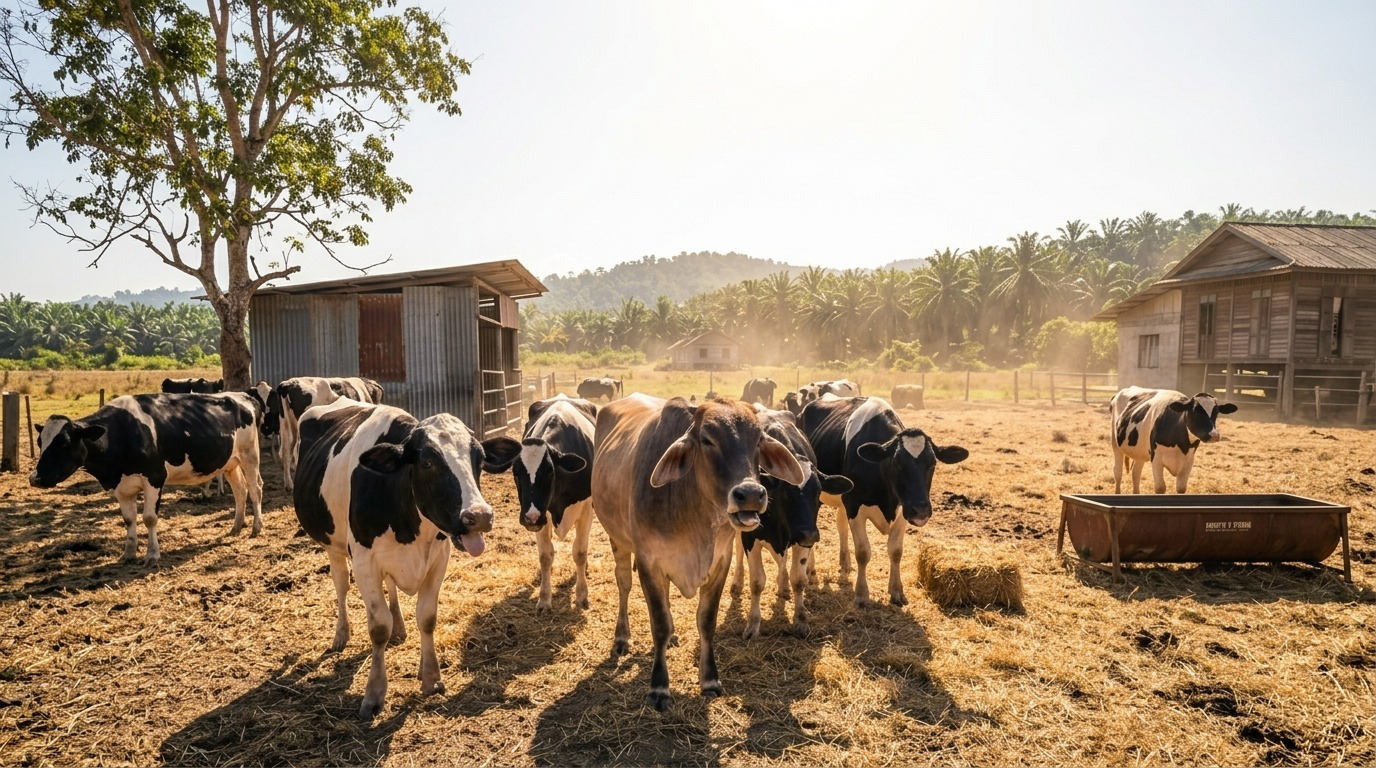
“Prevention is better than cure, and farmers need to recognise early signs of stress such as rapid breathing or unusual behaviour, so that action can be taken before the animals’ conditions worsen,” she said.
Among the key measures recommended are maintaining continuous access to clean and cool drinking water, providing adequate shade, improving ventilation and reducing stocking density in enclosures for better airflow.
“Animals, like humans, prefer cooler conditions, and even simple steps such as supplying chilled water and ensuring proper airflow can make a significant difference in animal welfare and survival,” she said.
Dr. Aimi also stressed the importance of adjusting feeding schedules by providing feed during cooler periods such as early morning or late evening to maintain intake levels.
Beyond farm-level interventions, she stressed the pivotal role of government agencies and institutions in supporting farmers through integrated training, research and advisory services.
“Institutions like UPM could conduct vital research on heat-resistant livestock breeds and offer specialised training programs, while agencies such as the Department of Veterinary Services (DVS) could provide necessary guidance and on-site support,” she said.
Ultimately, without proactive measures, rising temperatures linked to climate variability could cause long-term disruptions to livestock production, posing risks to food security and the long-term sustainability of Malaysia’s agricultural sector.
Date of Input: 30/04/2026 | Updated: 11/05/2026 | hairul_nizam
MEDIA SHARING





.jpg)
.jpg)